the Virginia cannabis cultivation license 2026 is the most capital-intensive and 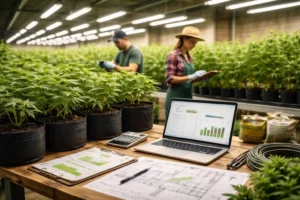 execution-sensitive license track in the state’s adult-use program. This is not a paperwork exercise. It is a facility, utilities, zoning, staffing, and cash-flow problem disguised as an application.
This page is non-legal and execution-first. It explains what a Virginia cannabis cultivation license typically means in practice, who this track is (and is not) for, and what serious operators build before they apply so their application reads like a functioning business—not a concept pitch.
Start here: If you are deciding between license types, review the Virginia cannabis licenses 2026 program hub. If your goal is retail-only, use the Virginia cannabis dispensary license 2026 hub.
Not legal advice. Collateral Base provides non-legal execution planning and application readiness support. For legal interpretation and filings, consult Virginia counsel and primary sources such as the Virginia Cannabis Control Authority.
execution-sensitive license track in the state’s adult-use program. This is not a paperwork exercise. It is a facility, utilities, zoning, staffing, and cash-flow problem disguised as an application.
This page is non-legal and execution-first. It explains what a Virginia cannabis cultivation license typically means in practice, who this track is (and is not) for, and what serious operators build before they apply so their application reads like a functioning business—not a concept pitch.
Start here: If you are deciding between license types, review the Virginia cannabis licenses 2026 program hub. If your goal is retail-only, use the Virginia cannabis dispensary license 2026 hub.
Not legal advice. Collateral Base provides non-legal execution planning and application readiness support. For legal interpretation and filings, consult Virginia counsel and primary sources such as the Virginia Cannabis Control Authority.
execution-sensitive license track in the state’s adult-use program. This is not a paperwork exercise. It is a facility, utilities, zoning, staffing, and cash-flow problem disguised as an application.
This page is non-legal and execution-first. It explains what a Virginia cannabis cultivation license typically means in practice, who this track is (and is not) for, and what serious operators build before they apply so their application reads like a functioning business—not a concept pitch.
Start here: If you are deciding between license types, review the Virginia cannabis licenses 2026 program hub. If your goal is retail-only, use the Virginia cannabis dispensary license 2026 hub.
Not legal advice. Collateral Base provides non-legal execution planning and application readiness support. For legal interpretation and filings, consult Virginia counsel and primary sources such as the Virginia Cannabis Control Authority.
1) What the Virginia cannabis cultivation license 2026 really allows
Updated March 2026: SB 542/HB 642 passed the Virginia General Assembly on March 14, 2026. Applications open by September 1, 2026; retail sales begin January 1, 2027; 6% state excise + 5.3% sales tax.
A Virginia cannabis cultivation license 2026 authorizes the controlled growing, harvesting, drying, and initial handling of cannabis plants at an approved facility. In practice, this means:
- A fixed-location, inspected facility with verified zoning approval
- High electrical, HVAC, water, and waste-management demands
- Strict inventory tracking and security requirements
- Long timelines between capital spend and first revenue
2) Who should pursue a Virginia cannabis cultivation license (and who should not)
Best fit
- Well-capitalized teams with contingency runway
- Operators with prior regulated-facility or agricultural experience
- Groups that understand utilities, construction timelines, and yield ramp risk
Common bad fits
- Teams assuming revenue will arrive quickly after award
- Applicants without real estate or construction discipline
- Underfunded groups betting everything on “no delays”
3) How competitive qualification actually works (non-legal)
Legal eligibility is only the baseline for your Virginia Cannabis Cultivation License 2026. Competitive cultivation applicants demonstrate:- Facility feasibility: zoning, buffers, utilities, and expansion logic
- Operational credibility: workflows, staffing, and compliance ownership
- Financial survivability: realistic buildout budgets and delay buffers
4) Readiness plan: what you must build before applying
A) Facility + utilities planning
- Square footage by phase (initial + expansion)
- Electrical load calculations and utility confirmations
- HVAC and environmental control assumptions
- Waste, water, and odor mitigation concepts
B) Cultivation operating model
- Canopy strategy and grow methodology
- Staffing by growth phase
- Harvest, drying, and storage workflows
- Inventory control and loss prevention approach
C) SOP framework (system, not volume)
Strong cultivation applications show an SOP system—not vague promises.- Plant handling and inventory SOPs
- Environmental monitoring SOPs
- Security, access control, and incident response
- Training, audits, and corrective action
D) Staffing + accountability
- Head grower and compliance responsibility clarity
- Shift coverage and redundancy planning
- Training documentation and refresh cadence
5) Timeline reality: award to first revenue
Cultivation is a delayed-revenue business. Typical phases include:- Post-award permitting and construction (months)
- System commissioning and inspections
- Initial planting and growth cycles
- Harvest, cure, testing, and release
6) Capital + runway: why cultivation applicants fail
The most common failure mode for a Virginia cannabis cultivation license 2026 is undercapitalization.- Pre-award burn: planning, engineering, site control
- Post-award cash cliff: buildout, utilities, staff, systems
- Delay buffer: 90–180 days minimum
7) Locality + zoning: the gate most teams underestimate
State approval does not override local control. Before committing capital:- Shortlist multiple localities
- Verify zoning and buffer compliance with maps and ordinances
- Confirm utility capacity—not just availability
- Use survivable site control (option or contingency-based)
8) Common mistakes that kill cultivation applications
- Fantasy yield and ramp assumptions
- Ignoring power and HVAC constraints
- Underestimating construction timelines
- No contingency runway
- Vague SOP and staffing plans
FAQ
Is a Virginia cannabis cultivation license harder than retail?
Yes—capital intensity, delayed revenue, and facility risk make cultivation less forgiving than retail.Do I need a site before applying?
You need a credible, survivable site plan—not a blind long-term lease.Why do most cultivation applicants fail?
Undercapitalization, facility delays, and unrealistic timelines.Next steps
- Confirm whether cultivation fits your capital and risk profile
- Build facility, utilities, and staffing plans before drafting narratives
- Stress-test your runway against delays