The Virginia cannabis processing license 2026 is where operators win (or lose) on 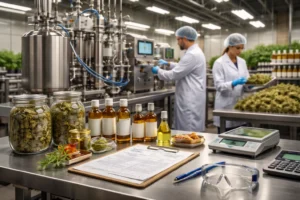 execution: facility design, equipment selection, QA, labeling, inventory control, and cash planning. This is not a “write a narrative and hope” license track. Processing is a systems business disguised as an application.
This page is non-legal and execution-first. It explains what a Virginia cannabis processing license typically means in practice, who this track is (and is not) for, and what serious operators build before they apply so their application reads like a functioning operation—not a concept deck.
Start here: If you are deciding between license types, review the Virginia cannabis licenses 2026 program hub. If your goal is retail-only, use the Virginia cannabis dispensary license 2026 hub. If you’re building upstream cultivation, compare against the Virginia cannabis cultivation license 2026 track.
Not legal advice. Collateral Base provides non-legal execution planning and application readiness support. For legal interpretation and filings, consult Virginia counsel and primary sources such as the Virginia Cannabis Control Authority.
execution: facility design, equipment selection, QA, labeling, inventory control, and cash planning. This is not a “write a narrative and hope” license track. Processing is a systems business disguised as an application.
This page is non-legal and execution-first. It explains what a Virginia cannabis processing license typically means in practice, who this track is (and is not) for, and what serious operators build before they apply so their application reads like a functioning operation—not a concept deck.
Start here: If you are deciding between license types, review the Virginia cannabis licenses 2026 program hub. If your goal is retail-only, use the Virginia cannabis dispensary license 2026 hub. If you’re building upstream cultivation, compare against the Virginia cannabis cultivation license 2026 track.
Not legal advice. Collateral Base provides non-legal execution planning and application readiness support. For legal interpretation and filings, consult Virginia counsel and primary sources such as the Virginia Cannabis Control Authority.
execution: facility design, equipment selection, QA, labeling, inventory control, and cash planning. This is not a “write a narrative and hope” license track. Processing is a systems business disguised as an application.
This page is non-legal and execution-first. It explains what a Virginia cannabis processing license typically means in practice, who this track is (and is not) for, and what serious operators build before they apply so their application reads like a functioning operation—not a concept deck.
Start here: If you are deciding between license types, review the Virginia cannabis licenses 2026 program hub. If your goal is retail-only, use the Virginia cannabis dispensary license 2026 hub. If you’re building upstream cultivation, compare against the Virginia cannabis cultivation license 2026 track.
Not legal advice. Collateral Base provides non-legal execution planning and application readiness support. For legal interpretation and filings, consult Virginia counsel and primary sources such as the Virginia Cannabis Control Authority.
1) What the Virginia cannabis processing license 2026 really allows
Updated March 2026: SB 542/HB 642 passed the Virginia General Assembly on March 14, 2026. Applications open by September 1, 2026; retail sales begin January 1, 2027; 6% state excise + 5.3% sales tax.
A Virginia cannabis processing license 2026 authorizes the controlled manufacturing, extraction, infusion, packaging, and related handling of cannabis products in an approved facility (subject to program rules and approved operations). In practice, this usually means:
- A fixed-location, inspected facility with verified zoning approval and buildout readiness
- Defined production activities (e.g., extraction/infusion, kitchen/edibles, packaging/labeling) with compliant workflows
- Strict inventory tracking, batch/lot control, and security requirements
- Testing coordination, QA release logic, and robust recordkeeping
2) Who should pursue a Virginia cannabis processing license (and who should not)
Best fit
- Operators who understand regulated production environments (food, pharma, supplements, manufacturing)
- Teams that can design workflows, manage QA, and maintain batch documentation discipline
- Groups with realistic capital planning for equipment, ventilation, utilities, and compliance staffing
Common bad fits
- Applicants assuming processing is “quick revenue” without facility and QA maturity
- Teams without an equipment plan, throughput logic, or product strategy beyond vague SKUs
- Underfunded groups relying on “no delays” for buildout, commissioning, and approvals
3) How competitive qualification actually works (non-legal)
Legal eligibility is only the baseline for a Virginia cannabis processing license 2026. Competitive applicants demonstrate:- Facility feasibility: zoning, utilities, ventilation, safety controls, and workflow layout that actually functions
- Operational credibility: batch production logic, QA release, recall readiness, and accountable staffing
- Financial survivability: realistic budgets, commissioning timelines, and delay buffers
4) Readiness plan: what you must build before applying
A) Facility + equipment planning
- Defined processing scope (what you will and won’t manufacture in year 1)
- Workflow map: receiving → secure storage → production → packaging → quarantine/hold → release
- Equipment list with capacity assumptions (throughput, bottlenecks, redundancy)
- Ventilation/odor/air handling and safety controls aligned to your processes
- Utilities plan (power, HVAC, water, drainage) with realistic upgrade timelines
B) Quality + compliance operating model
- Batch/lot numbering and traceability rules (system design, not slogans)
- In-process controls and hold/release logic (QA gates)
- Testing coordination plan (sampling, chain-of-custody, result intake, disposition)
- Labeling and packaging controls (versioning, approvals, change management)
- Recall readiness: decision authority, communications path, and documentation
C) SOP framework (system, not volume)
Strong processing applications show an SOP system—not vague promises. At minimum, your system should cover:- Receiving, secure storage, and inventory control
- Sanitation, contamination prevention, and equipment cleaning logs
- Batch production records and deviation handling
- Packaging/label control and QA release
- Security, access control, and incident response
- Training, internal audits, and corrective action
D) Staffing + accountability
- Production lead and QA/compliance ownership clarity (who signs off, who stops the line)
- Shift coverage and segregation of duties (especially for QA release and inventory adjustments)
- Training documentation and refresh cadence
- Vendor management: equipment, packaging, labs, sanitation supplies
E) Product strategy that matches your reality
- SKU plan that matches your equipment and staffing (avoid “too many products too early”)
- Packaging strategy with lead times, reorders, and version control
- Throughput model: how many batches per week/month at ramp, and what constrains growth
5) Timeline reality: award to first sellable product
Processing is a delayed-revenue business. Typical phases include:- Post-award design finalization, permitting, and buildout (months)
- Equipment install, commissioning, and validation (often slower than expected)
- Security and compliance readiness checks
- Initial production runs, testing cycles, and QA release
6) Capital + runway: why processing applicants fail
The most common failure mode for a Virginia cannabis processing license 2026 is undercapitalization—especially around buildout, ventilation, equipment, QA staffing, and packaging inventory.- Pre-award burn: site work, engineering, equipment selection, and readiness planning
- Post-award cash cliff: buildout + equipment + security + initial hiring
- Delay buffer: assume 90–180 days minimum for surprises
7) Locality + zoning: the gate most teams underestimate
State approval does not override local control. Before committing capital:- Shortlist multiple localities and validate permitted use pathways
- Confirm zoning and buffer compliance with maps and ordinances
- Verify utility capacity—not just “availability”
- Use survivable site control (option or contingency-based where possible)
8) Common mistakes that kill processing applications
- Vague facility and equipment plans (“we’ll buy what we need later”)
- No QA release logic or batch documentation discipline
- Unrealistic throughput assumptions and no bottleneck identification
- Labeling/packaging treated as an afterthought (it’s a compliance minefield)
- Undercapitalization and no delay buffer
FAQ
Is a Virginia cannabis processing license harder than retail?
In many ways, yes. Processing requires regulated manufacturing discipline, QA gates, and facility/equipment execution. Retail has different complexities, but processing is less forgiving when systems break.Do I need a site before applying?
You need a credible, survivable site plan—not a blind long-term lease. Strong applicants demonstrate feasibility (layout, utilities, zoning) without betting the company on a single fragile location.Why do most processing applicants fail?
Undercapitalization, buildout delays, and weak QA/documentation systems. Processing is a control-and-records business as much as it is a production business.Next steps
- Confirm whether processing fits your operational discipline and capital profile
- Build a facility + equipment plan that matches your year-1 scope
- Design your QA release logic, batch records, and labeling controls before drafting narratives
- Stress-test runway against delays and commissioning realities